
Albert Einstein
Physics / Theoretical Physics
Profile Needs Work (68% ready)
This profile is published but still missing: Bio sections, Quick facts.
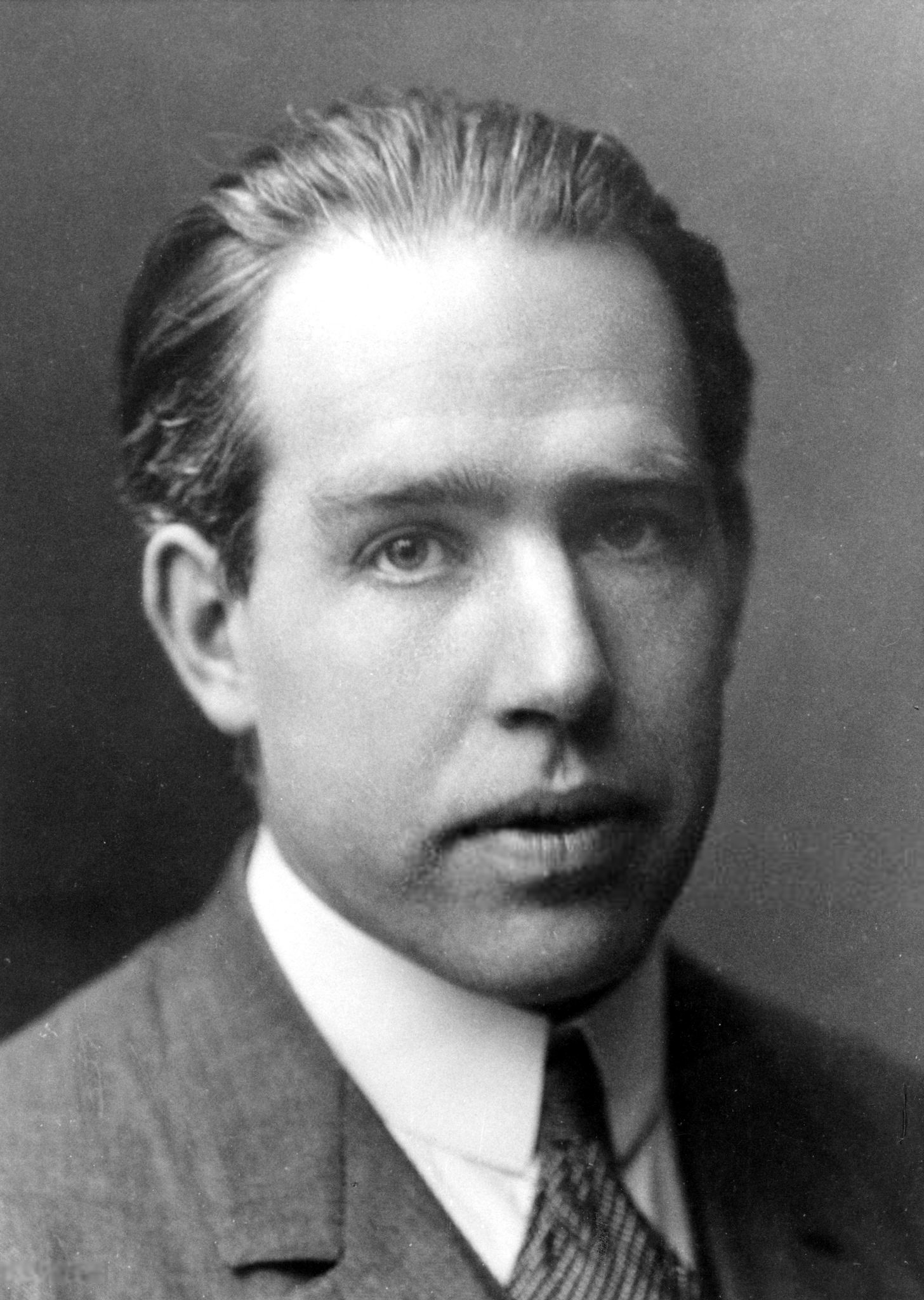
Albert Einstein Albert Einstein transformed humanity's understanding of space, time, and energy with his special (1905) and general (1915) theories of relativity, earning the 1921 Nobel Prize in Physics for his discovery of the photoelectric effect. His famous mass-energy equivalence, E=mc², underpins both nuclear physics and modern cosmology. Einstein's public advocacy for pacifism, civil rights, and international cooperation made him one of the most recognized and admired figures of the 20th century.
Timeline
Born in Ulm
Albert Einstein born in Ulm, Kingdom of Württemberg, German Empire.
personalAnnus Mirabilis Papers
Publishes four groundbreaking papers including special relativity and E=mc², while working as a patent clerk in Bern.
awardGeneral Theory of Relativity
Presents the general theory of relativity to the Prussian Academy of Sciences.
awardNobel Prize in Physics
Awarded the Nobel Prize in Physics for his explanation of the photoelectric effect.
awardEmigrates to the United States
Flees Nazi Germany and settles in Princeton, New Jersey at the Institute for Advanced Study.
personalEinstein-Szilárd Letter
Signs a letter to President Roosevelt warning about the possibility of atomic weapons, helping launch the Manhattan Project.
careerDeath
Albert Einstein dies at age 76 in Princeton. His brain is preserved for scientific study.
personalQuotes
"I am enough of an artist to draw freely upon my imagination. Imagination is more important than knowledge. Knowledge is limited. Imagination encircles the world."
"Life is like riding a bicycle. To keep your balance, you must keep moving."
Partner picks | Control
Related to Albert Einstein
Books and titles you might enjoy.
Albert Einstein — biography
Biography and memoir for readers following this person's story.
Top Physics / Theoretical Physics reads
Curated reading for Physics / Theoretical Physics enthusiasts.
Books by or about Albert Einstein
Expand your reading list with related titles.


Community
Reader Comments
A more blog-style discussion space for reactions, context, and corrections.
Loading comments...